24emergency Electrician Ltd
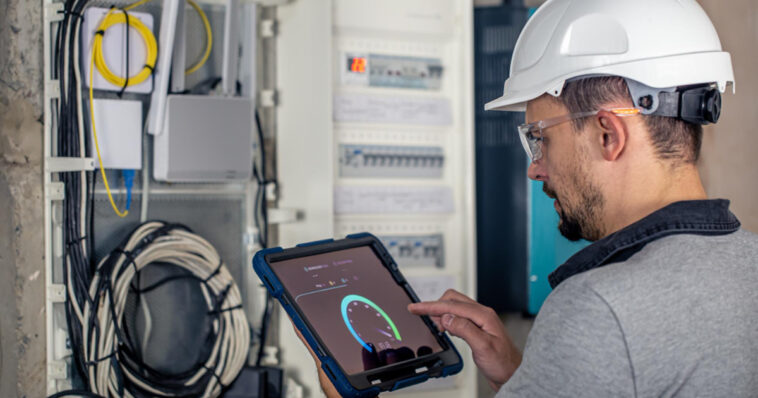
Electricity keeps our homes and businesses running every day. We use it for lights, heating, cooking, and charging our phones. But electricity can also be dangerous if the wiring is old or damaged. That is why prompt EIC electrical inspections are so important.
An EIC electrical inspection checks the safety of your electrical system. It helps find hidden problems before they turn into serious risks. In London and across the UK, these inspections are not just helpful — they are often required by law.
In this guide, we explain what EIC electrical inspections are and why getting them on time can protect your property, your money, and your family.
What Are EIC Electrical Inspections?
EIC stands for Electrical Installation Certificate. Most people also hear the term EICR, which means Electrical Installation Condition Report. This report shows the condition of your wiring and electrical system.
A qualified electrician checks:
- Wiring and cables
- Fuse box or consumer unit
- Circuit breakers
- Sockets and switches
- Earthing and bonding
- RCD protection devices
The inspection follows UK wiring rules under BS 7671. Certified electricians registered with NICEIC or other approved bodies carry out these inspections.
After the test, you receive a report that explains if your installation is:
- Safe
- Needs improvement
- Dangerous and requires urgent repair
Why Timely EIC Electrical Inspections Matter?
Many people wait until something goes wrong before calling an electrician. But electrical faults often build up slowly. By the time you notice a problem, it may already be serious.
Getting your EIC electrical inspections on time helps you stay ahead of trouble.
1. Prevents Electrical Fires
Faulty wiring is one of the main causes of house fires in the UK. Loose connections, damaged cables, and overloaded circuits can overheat.
An inspection can find:
- Burn marks inside the fuse board
- Worn-out insulation
- Poor connections
- Old rewireable fuse systems
Fixing these early reduces the risk of fire and keeps your property safe.
2. Protects People from Electric Shock
Electric shocks can happen when wiring is exposed or earthing is faulty. Children and elderly people are especially at risk.
An EIC electrical inspection checks:
- Proper earthing
- Bonding of metal pipes
- RCD protection
- Safe socket installation
If something is unsafe, the electrician will mark it as C1 (danger present) or C2 (potentially dangerous) in the report.
3. Keeps Landlords Legally Compliant
In England, landlords must carry out electrical safety inspections every five years in rental properties. They must give tenants a copy of the report.
Failing to do this can result in fines from the local council.
Organizations like Electrical Safety First strongly advise regular inspections to protect tenants.
If you are a landlord in London, timely EIC electrical inspections are not optional — they are a legal duty.
4. Saves Money on Emergency Repairs
Emergency electrical repairs can be expensive. If a circuit fails suddenly, you may need a 24 hour emergency electrician.
Regular EIC electrical inspections find small problems early. Replacing a worn cable today costs far less than repairing fire damage later.
Preventive maintenance always costs less than emergency call-outs.
5. Reduces Power Cuts and Breakdowns
Do your lights flicker? Does your circuit breaker trip often?
These are warning signs of overloaded circuits or wiring faults.
An EIC inspection checks load balance and circuit performance. Fixing these issues improves reliability and reduces sudden power failures.
This is important for:
- Home offices
- Shops and restaurants
- Commercial buildings
- Medical clinics
Power interruptions can affect business and daily life.
6. Required When Selling or Letting Property
Buyers and tenants want proof that a property is safe. A valid EICR certificate builds trust.
Estate agents and solicitors often ask for electrical safety documents during property sales. Having an up-to-date report can speed up the process.
It also shows that you maintain your property responsibly.
7. Protects Your Insurance Coverage
Insurance companies may refuse claims if electrical systems are unsafe or poorly maintained.
If a fire happens due to faulty wiring and you do not have proof of inspection, your claim could be rejected.
Timely EIC electrical inspections provide written evidence that your installation meets safety standards.
8. Increases Property Value
Modern buyers look for safe and updated electrical systems.
An inspection may recommend:
- Fuse board replacement
- Upgrading circuit breakers
- Installing RCD protection
- Improving earthing
Upgraded systems add value and make your property more attractive on the market.
9. Improves Energy Efficiency
Old wiring and outdated systems waste energy. During an inspection, electricians may suggest improvements such as:
- LED lighting upgrades
- Energy-efficient consumer units
- Better load distribution
Energy-efficient systems lower electricity bills and reduce environmental impact.
10. Gives Peace of Mind
The biggest benefit of timely EIC electrical inspections is peace of mind.
You know your home or workplace is safe. You know your wiring meets UK regulations. You know your family, tenants, or staff are protected.
That confidence is priceless.
How Often Should You Get an EIC Electrical Inspection?
Here are general guidelines:
- Owner-occupied homes: Every 10 years
- Rental properties: Every 5 years
- Commercial properties: Every 3–5 years
- Industrial buildings: Every 1–3 years
- After major renovations
- When changing tenants
If your property is older, inspections may be needed more often.
Signs You Need an Inspection Immediately
Do not wait for your scheduled check if you notice:
- Burning smells
- Buzzing sounds from the fuse box
- Discoloured sockets
- Frequent breaker trips
- Flickering lights
- Electric shocks from appliances
These signs may mean urgent electrical remedial work is needed.
What Happens During an EIC Electrical Inspection?
The electrician follows a step-by-step process:
- Visual inspection of wiring and equipment
- Dead testing (checking circuits without power)
- Live testing (checking voltage and performance)
- RCD testing
- Earth fault testing
- Report preparation
The final report will include classification codes:
- C1 – Danger present, immediate action required
- C2 – Potentially dangerous, urgent repair needed
- C3 – Improvement recommended
If your system fails, repairs must be completed quickly to make it safe.
Residential vs Commercial Inspections
Residential EIC electrical inspections focus on family safety and basic consumer units.
Commercial inspections check larger distribution boards, three-phase systems, and heavy equipment. Businesses have a higher duty of care. They must protect employees and customers.
Final Thoughts
Electricity is powerful and essential. But without proper checks, it can become dangerous. Timely EIC electrical inspections protect your property from fire, prevent electric shock, and keep you compliant with UK law. They save money, improve efficiency, and give peace of mind.
Whether you own a home, manage rental properties, or run a business in London, regular electrical safety inspections are a smart investment. Do not wait for an emergency. Schedule your EIC electrical inspection on time — and keep your property safe for years to come.
This post was created with our nice and easy submission form. Create your post!