sarah micheal
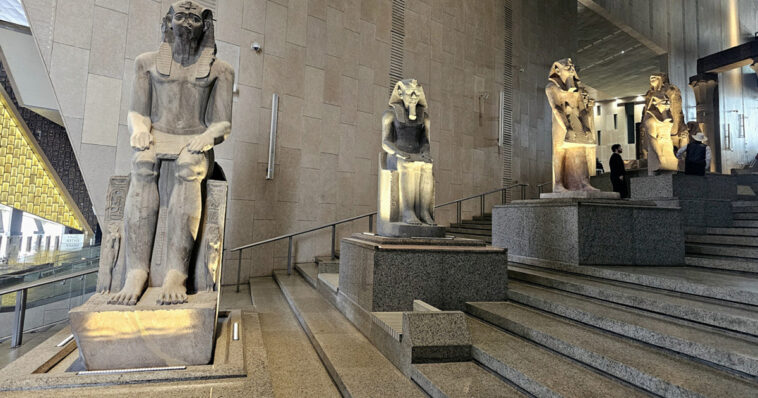
The Grand Egyptian Museum (GEM), located near the Giza Pyramids, has officially reopened to the public, marking one of the most significant cultural events in recent years. The museum houses thousands of ancient Egyptian artifacts, from monumental statues and intricate jewelry to royal mummies and temple relics. While the museum is celebrated as a symbol of Egypt’s rich history and cultural revival, its opening has also reignited colonial-era artifact disputes that have simmered for decades.
The debate highlights a growing tension between national ownership of heritage and the global circulation of artifacts in prominent museums. Egypt sees this moment as more than a cultural showcase; it is a call for historical justice and repatriation of artifacts taken during colonial times.
The Grand Egyptian Museum: A Modern Wonder
The Grand Egyptian Museum is the largest archaeological museum in the world and has been under construction for over a decade. The facility spans more than 480,000 square meters and houses artifacts that were previously scattered across storage rooms or smaller museums in Egypt. Among the most notable exhibits are the treasures of Tutankhamun, including his iconic golden mask, chariots, and jewelry.
Colonial-Era Artifact Disputes Resurface
Despite the celebration, the museum’s reopening has once again brought attention to colonial-era artifact disputes. Many iconic Egyptian objects were removed during the 19th and early 20th centuries, when European powers conducted archaeological expeditions across Egypt.
Legal and Ethical Dimensions of Repatriation
The repatriation of artifacts is a complex legal and ethical issue. Many Western museums maintain that the objects were acquired legally under the laws of the time, or through purchases and donations. They argue that these artifacts help share human history with an international audience.
International Response and Challenges
The reopening of GEM has prompted reactions from museums and governments around the world. Some institutions have expressed willingness to loan artifacts for special exhibitions, while others resist permanent repatriation.
Egypt’s Renewed Advocacy for Cultural Heritage
Egypt is actively using the Grand Egyptian Museum as a platform for advocacy. Officials have invited international media, scholars, and diplomats to showcase the richness of the country’s history. By highlighting the artifacts still in Egypt alongside those held abroad, the museum draws attention to the discrepancy in ownership and builds support for repatriation efforts.
The Role of Modern Technology
Modern technology plays a key role in both the preservation of artifacts and the documentation of provenance. GEM uses advanced imaging, climate-controlled storage, and interactive exhibits to ensure that artifacts are maintained under optimal conditions.
Broader Implications for Global Museums
The reopening of the Grand Egyptian Museum underscores a larger global movement questioning how museums acquired their collections. Similar debates are emerging in Africa, Asia, and South America, where artifacts taken during colonial periods remain in Western institutions.
Conclusion: Bridging History and Justice
The Grand Egyptian Museum is more than a monumental display of ancient treasures; it is a symbol of Egypt’s fight for cultural justice. By showcasing thousands of ancient Egyptian artifacts, Egypt reaffirms its claim over objects removed during colonial times and highlights the ongoing need for ethical museum practices worldwide.
This post was created with our nice and easy submission form. Create your post!