VelozMatrix
Introduction
In a digital environment where competition is intense and budgets must be justified, businesses are looking for growth strategies that are not only effective but also predictable. Traditional marketing often relies on broad exposure, making outcomes difficult to measure. Performance marketing offers a more structured approach by focusing on measurable results and data-driven decisions. This model helps organizations plan, optimize, and scale growth with greater confidence.
Understanding Performance Marketing
Performance marketing is a results-focused approach where success is measured through specific actions such as clicks, leads, or conversions. Instead of relying on assumptions, businesses track real-time data to understand how campaigns perform. This transparency allows marketers to make informed decisions and adjust strategies quickly based on actual outcomes rather than expectations.
Data-Driven Decisions and Growth Predictability
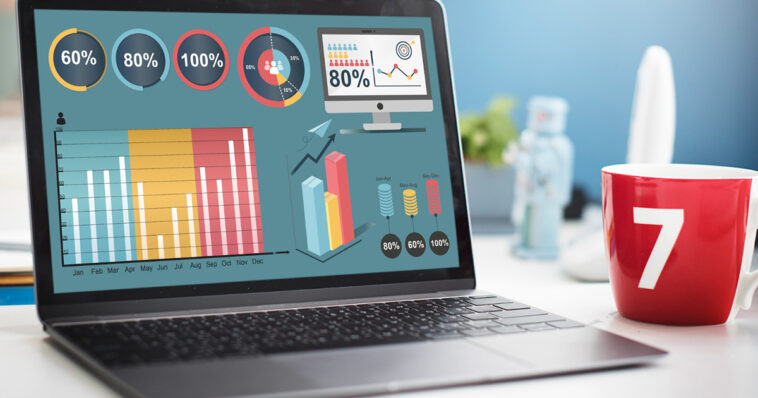
Data plays a central role in performance marketing business growth. By analyzing user behavior, engagement patterns, and conversion data, businesses gain insights into what works and what doesn’t. Over time, these insights create reliable performance benchmarks. This consistency enables businesses to forecast outcomes more accurately, supporting predictable business growth and smarter planning.
Clear Metrics and Measurable Results
One of the biggest advantages of performance-based marketing is the use of clear metrics. Indicators such as cost per acquisition, conversion rate, and return on investment provide a clear view of campaign effectiveness. These metrics help businesses evaluate marketing ROI measurement objectively, ensuring resources are allocated to strategies that drive real value.
Continuous Optimization and Testing
Performance marketing relies on ongoing testing and refinement. Marketers experiment with messaging, targeting, and channels to improve results incrementally. This continuous optimization reduces uncertainty and improves efficiency over time. Small improvements compound, creating stable growth patterns that are easier to scale and sustain.
Scalability with Budget Control
Another key benefit is budget flexibility. Businesses can start with controlled spending, analyze performance, and scale campaigns that deliver results. This approach minimizes risk while enabling growth. By investing more in proven strategies, organizations can achieve scalable marketing growth without unexpected losses.
Conclusion
Performance marketing transforms marketing efforts into a measurable, reliable growth system. Through data-driven marketing strategies, clear metrics, and continuous optimization, businesses can reduce uncertainty and support predictable business growth. As digital ecosystems continue to evolve, performance marketing remains a practical approach for organizations seeking long-term, sustainable success.
This post was created with our nice and easy submission form. Create your post!