Alex Thomas
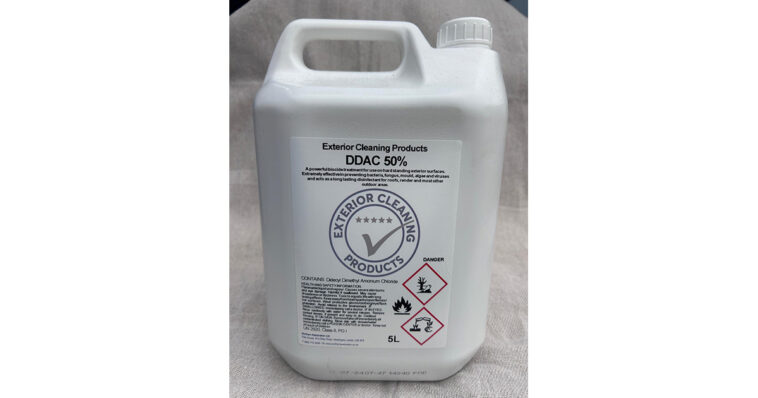
Clogged drains can be a homeowner’s worst nightmare. They lead to frustrating backups, unpleasant odours, and even costly repairs. Thankfully, drain cleaner chemicals offer a quick solution to restore flow and keep your plumbing system in check. But with so many options available on the market, how do you choose the right one? This guide will walk you through everything you need to know about drain cleaner chemicals—what they are, how they work, and safe usage tips. Whether you’re dealing with hair clogs or grease buildup, you’ll find valuable information that can help protect your pipes and maintain smooth drainage throughout your home. Let’s dive into the world of drain cleaning solutions! (Information Credited: https://exteriorcleaningproducts.com/)
Types of Drain Cleaner Chemicals
When it comes to drain cleaner chemicals, there are several types available, each designed for specific clogs.
Caustic drain cleaners use strong alkalis like sodium hydroxide. They work well on organic materials but can generate heat that may damage pipes if not used carefully.
Acidic cleaners, often containing sulfuric acid, are effective against tough blockages such as grease and hair. However, they require caution because they can corrode metal pipes over time.
Ensymatic drain cleaners take a different approach by using bacteria or ensymes to digest waste organically. They’re slower-acting but safer for your plumbing system.
There are foaming solutions that expand within the pipe to help dislodge debris while also providing a cleaning action. Each type has its strengths and weaknesses depending on the nature of the clog you’re facing.
How Do Drain Cleaner Chemicals Work?
Drain cleaner chemicals are designed to tackle clogs through chemical reactions. When poured down the drain, these products often contain powerful agents like sodium hydroxide or sulfuric acid.
These substances work by breaking down organic materials such as hair, grease, and soap scum. The heat generated from the reaction helps dissolve tough blockages that regular water flow can’t manage.
Some formulations also include surfactants that help lift debris away from pipes. This allows for easier removal of gunk that accumulates over time.
It’s crucial to follow the instructions correctly when using these cleaners. Misuse can lead to damaged pipes or even dangerous fumes in confined spaces.
Understanding how these chemicals function enhances your ability to use them safely and effectively. Remember, proper application is key for unclogged drains without unnecessary risks.
The Dos and Don’ts of Using Drain Cleaner Chemicals
When using drain cleaner chemicals, proper handling is crucial. Always read the label carefully. This step ensures you understand the product’s intended use and safety precautions.
Wear protective gear like gloves and goggles. These items guard against splashes that can cause harm to your skin or eyes.
Never mix different types of drain cleaners. Combining chemicals can create dangerous reactions that may damage pipes or pose health risks.
Use only the recommended amount for your specific clog issue. Overuse can lead to pipe corrosion over time, resulting in costly repairs.
Avoid pouring hot water immediately after applying a chemical cleaner. It might neutralise its effectiveness and cause harmful fumes to escape, compromising air quality in your home.
Always ventilate the area when using these products; fresh air helps reduce inhalation of any harmful vapours released during cleaning processes.
Natural Alternatives to Chemical Drain Cleaners
If you’re looking for a more eco-friendly solution, consider natural alternatives to chemical drain cleaners. Ingredients you might already have at home can work wonders.
Baking soda and vinegar create a powerful reaction that breaks down gunk in your pipes. Start by pouring half a cup of baking soda into the drain, followed by an equal amount of vinegar. Let it fizz for about 30 minutes before rinsing with hot water.
Another option is salt combined with boiling water. A cup of salt poured down the drain helps dislodge stubborn debris when chased with boiling water. It’s simple yet effective.
For persistent clogs, try using ensymatic cleaners made from natural ingredients. These safe formulas digest organic material without harming your plumbing or the environment.
Switching to these methods not only protects your pipes but also contributes positively to our planet’s health.
Preventative Measures for Keeping Your Pipes Clear
Keeping your pipes clear is simpler than you think. Regular maintenance can save you from costly repairs and chemical drain cleaner interventions.
Start by using a drain strainer. It catches hair, food particles, and debris before they enter your plumbing system. This small change can make a big difference.
Next, be mindful of what goes down the sink. Avoid pouring grease or oils into drains; they solidify and cause blockages over time. Instead, dispose of them in the trash or compost where possible.
Regularly flushing your drains with hot water helps dissolve any minor buildups that may form. Incorporating this into your routine takes minutes but pays off significantly.
Consider scheduling professional inspections periodically to catch potential issues early on. Keeping an eye on your plumbing now saves headaches later down the line.
Conclusion
When it comes to maintaining a healthy plumbing system, understanding drain cleaner chemicals is essential. These products can be effective in clearing clogs and keeping your pipes running smoothly. However, with so many options available, it’s crucial to select the right one for your needs.
From caustic soda to enzymatic cleaners, each type of drain cleaner chemical has its unique properties and applications. By knowing how they work and adhering to best practices when using them, you can avoid potential pitfalls that could damage your pipes or create safety hazards.
Natural alternatives present an environmentally friendly option worth considering as well. You don’t always need harsh chemicals to tackle tough clogs; sometimes, simple household items do the trick just fine.
Proactive maintenance plays a vital role, too. Regularly inspecting and cleaning your drains can help prevent blockages before they occur. This approach not only saves you time but also money on costly repairs down the line.
Managing drainage issues doesn’t have to be daunting. With proper knowledge and preventive measures in place, you’ll keep those pipes flowing without hassle while making informed choices about which drain cleaner chemicals are best suited for your home’s plumbing system.
This post was created with our nice and easy submission form. Create your post!