Boston Masonry INC
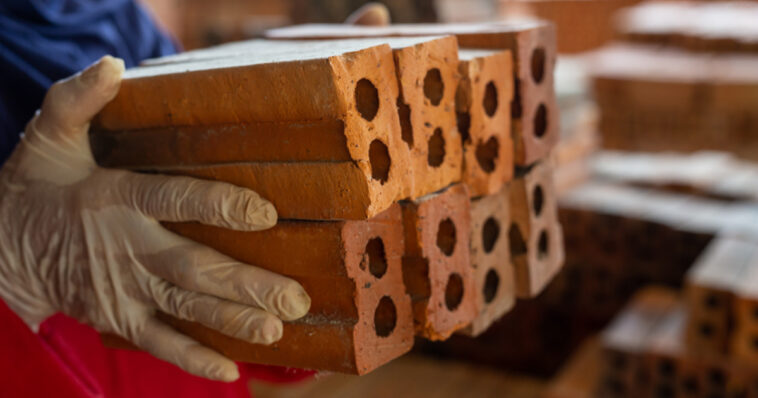
Boston is a city built on masonry. Brick townhouses. Stone churches. Modern concrete buildings. From Beacon Hill to the suburbs, masonry defines the region’s character. But Boston’s climate is harsh. Cold winters, moisture, and freeze–thaw cycles slowly damage masonry surfaces. Regular maintenance is not optional. It is essential.
Whether you own a historic brownstone or a modern home, proper care protects structure, safety, and value. This guide explains how to maintain masonry the right way and when to seek masonry services.
Why Masonry Maintenance Matters in Boston
Boston experiences extreme weather changes. Temperatures swing fast. Water enters small cracks and freezes.
When that happens, masonry expands. Over time, bricks loosen. Mortar crumbles. Foundations weaken.
Snow, rain, and coastal humidity make the problem worse. Moisture stays trapped in walls. This leads to staining, efflorescence, and interior leaks.
Routine inspections reduce risk. Early repairs cost less. Ignoring damage leads to major structural work.
Many property owners rely on masonry services to handle climate-specific challenges that DIY solutions cannot fix.
Historic vs Modern Masonry in Boston
Boston buildings fall into two broad categories. Historic and modern.
Each type uses different materials. Each requires a different maintenance approach.
Understanding the difference is critical.
Masonry Characteristics of Historic Boston Buildings
Historic properties were built to last. But they were built differently.
Older buildings often use:
- Lime-based mortar
- Soft, hand-fired brick
- Natural stone like granite or brownstone
These materials need flexibility. They must breathe.
Using modern cement mortar on historic masonry causes damage. It traps moisture. It leads to brick cracking and spalling.
Historic masonry also follows preservation standards. Improper repairs can reduce property value. They can also violate local regulations.
This is why owners of older homes often depend on specialized masonry services in Boston with restoration experience.
Masonry Materials Used in Modern Boston Construction
Modern buildings use stronger materials. They include:
- Concrete masonry units (CMU)
- Portland cement mortar
- Brick veneer systems
- Reinforced concrete
These systems are rigid. They handle loads differently.
Modern masonry still fails without care. Cracks form. Water penetrates joints. Foundations shift.
Maintenance focuses on sealing, joint repair, and water control. Professional masonry services help extend the lifespan of modern structures through preventive care.
Essential Masonry Maintenance Tips for Historic Properties
Historic masonry requires a gentle approach. Aggressive methods cause permanent damage.
Inspect Mortar Joints Regularly
Mortar holds masonry together. When it fails, bricks loosen.
Warning signs include:
- Cracks
- Gaps
- Powdery mortar
Repointing must match the original material. Color, texture, and composition matter.
Clean Brick and Stone Carefully
Never sandblast historic masonry. It removes protective surfaces.
Use low-pressure washing. Use approved masonry cleaners. Always test first.
Improper cleaning is one of the most common causes of historic damage.
Maintain Chimneys and Foundations
Chimneys deteriorate faster than walls. They face constant exposure.
Foundation masonry also needs attention. Small cracks allow water entry. This leads to basement moisture and structural stress.
Owners often rely on masonry services to inspect and maintain these critical areas safely.
Masonry Maintenance Tips for Modern Properties
Modern masonry may look strong. But it still needs care.
Control Water Before It Causes Damage
Water is the main enemy. Seal masonry walls properly. Maintain flashing and drainage systems.
Waterproofing prevents:
- Interior leaks
- Mold growth
- Freeze damage
Repair Cracks Early
Small cracks grow fast. Temperature changes make them worse.
Repair includes:
- Joint sealing
- Crack filling
- Structural reinforcement when needed
Professional masonry services use materials designed for modern systems.
Maintain Patios, Walkways, and Retaining Walls
Outdoor masonry takes constant abuse. Foot traffic. Weather. Soil movement.
Uneven surfaces create safety hazards. Loose stones lead to failure.
Regular inspections prevent costly rebuilds.
Warning Signs You Need Professional Masonry Help
Some problems cannot wait. Ignoring them increases risk.
Watch for:
- Crumbling mortar
- Loose or bulging bricks
- White powder stains
- Water in basements
- Leaning chimneys
- Uneven walkways
These are not cosmetic issues. They are structural warnings.
At this stage, experienced masonry services are essential to prevent further damage.
DIY Masonry Maintenance vs Hiring a Professional
Some tasks are homeowner-friendly. Others are not.
What You Can Do Yourself
Homeowners can:
- Perform visual inspections
- Clean surfaces gently
- Clear drainage areas
- Monitor changes over time
These steps help catch issues early.
When to Hire a Masonry Contractor
Professional help is needed for:
- Repointing
- Structural repairs
- Waterproofing systems
- Historic restoration
- Chimney rebuilding
Improper repairs cause long-term damage. They also cost more to fix later.
This is why many property owners trust masonry services in Boston with proven local experience.
How Masonry Maintenance Protects Property Value
Well-maintained masonry does more than look good. It protects investment.
Benefits include:
- Fewer emergency repairs
- Lower long-term costs
- Stronger structural integrity
- Better curb appeal
- Higher resale value
For historic properties, proper care preserves authenticity. For modern buildings, it ensures durability.
Professional maintenance plans from masonry services help owners plan ahead instead of reacting to damage.
Choosing the Right Masonry Contractor in Boston
Not all contractors are equal. Local experience matters.
What to Look For
Choose a contractor who offers:
- Local Boston expertise
- Experience with historic and modern masonry
- Waterproofing knowledge
- Proven project history
- Clear communication
Boston’s building codes and climate are unique. Out-of-area contractors often miss critical details.
Working with established masonry services in Boston ensures work meets both structural and regional requirements.
Final Thoughts
Boston masonry tells a story. It reflects history, craftsmanship, and durability. But even the strongest materials need care. Regular maintenance prevents damage. Early repairs save money. Historic and modern buildings face different challenges. Each requires the right approach. By understanding warning signs and investing in proper care, property owners protect both safety and value. When issues go beyond simple upkeep, experienced masonry services in Boston provide the expertise needed to preserve structures in a demanding climate.
This post was created with our nice and easy submission form. Create your post!