Alex Thomas
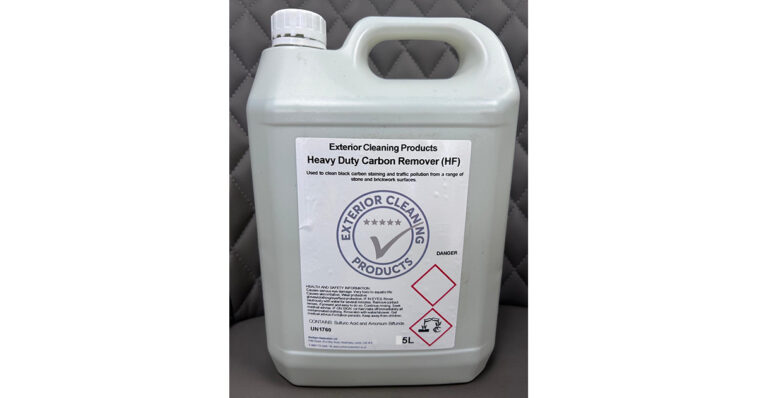
If you’ve ever worked on engines, grills, or any machinery with combustion components, you know the struggle of carbon buildup. It’s a stubborn foe that can hinder performance and lead to costly repairs. Enter heavy-duty carbon remover—a powerful ally in the battle against grime. This potent solution not only restores efficiency but also extends the lifespan of your equipment. Whether you’re a DIY enthusiast or a professional mechanic, understanding how to use this product safely and effectively is key to achieving optimal results. Let’s dive into everything you need to know about harnessing the power of heavy-duty carbon removers from Exterior Cleaning Products Ltd for your cleaning projects!
Understanding the Dangers of Carbon Buildup
Carbon buildup is more than just an unsightly residue. It poses significant risks to your machinery and equipment. Over time, this accumulation can hinder performance and efficiency.
Engines are especially vulnerable. When carbon builds up in critical areas, such as valves or combustion chambers, it disrupts airflow and fuel flow. This can lead to misfires, reduced power output, and increased emissions.
Moreover, the presence of carbon deposits increases wear on engine components. The friction generated by these hardened deposits accelerates degradation over time, leading to costly repairs.
In addition to mechanical issues, exposure to carbon particles can pose health risks. Inhalation of delicate particulate matter may contribute to respiratory problems over prolonged periods.
Understanding these dangers underscores the importance of regular maintenance using a heavy-duty carbon remover for safe operation and optimal performance.
When to Use a Heavy-Duty Carbon Remover
Knowing when to use a heavy-duty carbon remover is crucial for maintaining optimal performance in your equipment. Look out for signs of carbon buildup, such as reduced efficiency or unusual noises from engines and machinery.
Regular maintenance schedules can help you identify these issues before they escalate. If you notice dark deposits around exhaust ports or on spark plugs, it’s time to take action.
In automotive applications, using a heavy-duty carbon remover during routine oil changes can be beneficial. For industrial machinery, consider applying the product after extensive operational periods where residue accumulation is likely.
Environmental factors also play a role. High humidity and dirty conditions may accelerate carbon buildup, prompting more frequent cleaning sessions with an effective remover. Stay proactive; addressing minor problems early prevents more significant issues down the line.
Step-by-Step Guide on Using a Heavy-Duty Carbon Remover
Using a heavy-duty carbon remover can seem daunting, but it’s straightforward when you follow these steps.
Start by ensuring your work area is well-ventilated. Open windows or use fans to circulate air. This will help dissipate any fumes that may be released during the cleaning process.
Next, gather all necessary materials: the heavy duty carbon remover, gloves, goggles, and a brush for scrubbing. Protect your skin and eyes; safety first!
Apply the remover generously to the affected areas. Allow it to sit as per product instructions—this gives it time to break down stubborn carbon deposits.
Once it’s ready, grab your brush and scrub in circular motions. Be thorough but gentle to avoid damaging surfaces.
Rinse everything with clean water until no residue remains. Dry off any excess moisture before using the cleaned equipment again.
- Safety Precautions
When using a heavy duty carbon remover, safety should always be your top priority. Start by donning appropriate protective gear. Wear gloves to shield your hands and goggles to protect your eyes from splashes.
Ensure you’re in a well-ventilated area. Fumes from strong chemicals can be harmful if inhaled. Open windows or use fans to keep the air circulating.
Keep the product away from children and pets. These substances must be stored securely when not in use.
Before starting, read the label carefully for specific precautions related to that particular brand or formula. Each product may have unique requirements.
Never mix different cleaning products, as this can create hazardous reactions. Always follow instructions precisely for safe handling and application of your heavy-duty carbon remover.
- Choosing the Right Product
Selecting the proper heavy-duty carbon remover is crucial for effective cleaning. Not all products are created equal, and each formulation may target different types of buildup.
Look for removers specifically designed for your application. Some are tailored for engines, while others work best on household surfaces or grills. Check the label to ensure it meets your needs.
Consider the ingredients as well. Biodegradable options can be gentler on both surfaces and the environment, making them a great choice if you’re concerned about ecological impact.
Read reviews from other users to gauge performance and ease of use. Customer feedback often reveals valuable insights into how a product performs in real-world scenarios.
Don’t forget about safety features like non-toxic formulas or easy-to-follow instructions that enhance usability without compromising effectiveness. This will set you up for successful results every time you clean.
- Application Method
To apply a heavy-duty carbon remover effectively, start by ensuring the surface is dry and free from loose debris. This helps the product adhere better and work more efficiently.
Next, pour the carbon remover into a spray bottle or use a brush for precision application. A consistent layer across the affected area is essential for optimal results.
Allow the remover to sit according to manufacturer instructions—typically around 10-15 minutes. This dwell time lets it penetrate and break down stubborn carbon deposits.
Afterwards, scrub gently with a non-abrasive pad or cloth to easily lift away any residue. Rinse thoroughly with water to eliminate any lingering chemicals before drying the surface thoroughly.
Always follow proper ventilation guidelines when working indoors. Keeping air flowing reduces inhalation risks while maximising your cleaning efforts.
Conclusion
Maintaining a clean environment is essential for the longevity and optimal performance of your equipment. Regularly using a heavy-duty carbon remover helps prevent harmful buildup that can lead to reduced performance or even damage.
Consider incorporating this cleaning routine into your maintenance schedule. Not only will it enhance the functionality of your tools, but it will also promote safety in their operation. By taking the time to remove carbon deposits, you ensure optimal performance and extend the lifespan of your machinery.
Choosing reliable products, such as those from Exterior Cleaning Products Ltd, can make all the difference. Prioritising cleanliness now means fewer headaches later on, allowing you to focus on what really matters—getting the job done right.
This post was created with our nice and easy submission form. Create your post!