Want Hair
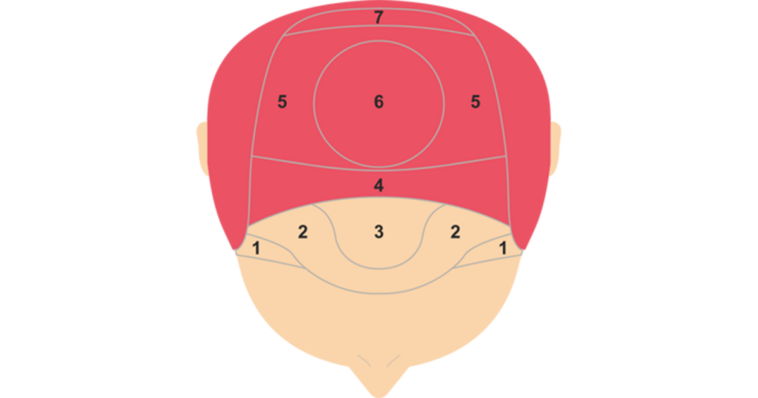
Understanding the level and pattern of hair loss is essential for creating an effective surgical plan, especially for anyone considering modern hair restoration techniques. One of the most widely recognised assessment tools in this field is the Norwood Scale, a classification system that outlines the stages of male pattern baldness. But how helpful is it when planning hair transplant procedures, particularly in the context of hair transplant surgery in the UK? This article explores the role of the Norwood Scale in today’s clinical practice and how it benefits patients seeking advanced restoration options at leading providers such as Want Hair Ltd.
What Is the Norwood Scale?
The Norwood Scale is a standardised method for evaluating the severity and pattern of hair loss in men. Ranging from Stage I (minimal recession) to Stage VII (extensive baldness), the scale helps both patients and surgeons visualise the progression of hair loss and understand their current stage.
In UK-based settings, the scale is frequently referenced during a hair transplant consultation, particularly in reputable hair transplant UK clinics. It gives surgeons a clinical baseline from which to formulate a personalised treatment approach. For individuals considering a full hair transplant in the UK, understanding where they fall on the scale can help determine the expected extent of the procedure.
Why the Norwood Scale Matters in FUE Hair Transplant Planning
The Norwood classification plays a crucial role in determining the scope of a hair transplant treatment. For techniques like FUE—Follicular Unit Extraction—the number of grafts, the placement strategy, and the predicted aesthetic outcome depend heavily on the pattern of hair loss identified through this scale.
Patients with early-stage hair loss (Norwood II–III) may require fewer grafts and can expect a more conservative restoration. Those in advanced stages, such as Norwood V–VII, may require more extensive planning and potentially multiple hair transplant sessions in the UK to achieve optimal density.
Leading facilities such as UK hair transplant clinic in Manchester and Leeds, and other high-reputation centres, rely on scale to maintain consistency and transparency throughout the consultation process.
How the Norwood Scale Supports Clinical Decision-Making
Clinics performing hair transplant procedures use the Norwood Scale not just as a visual guide, but as a strategic planning tool. Its benefits include:
- Determining Donor Capacity
The amount of available donor hair significantly impacts what can realistically be achieved. The Norwood stage helps surgeons evaluate whether the donor area can sufficiently support a FUE hair transplant.
- Designing a Natural Hairline
Lower Norwood stages might allow for a defined, youthful hairline, while more advanced stages require a conservative approach to preserve donor hair for long-term stability.
- Predicting Future Hair Loss
A crucial benefit of the scale is that it considers the progressive nature of hair loss. During a hair transplant consultation, surgeons at experienced clinics like Want Hair Ltd often use it to anticipate how the patient’s hair might thin further, ensuring the results remain natural as ageing continues.
- Establishing Realistic Expectations
Patients often have specific aesthetic goals, but the Norwood classification helps align expectations with achievable outcomes. This reduces disappointment and supports better communication between patients and surgeons.
Limitations of the Norwood Scale in Modern Hair Transplant Planning
While the scale is a valuable tool, it does have limitations:
- It only categorises male pattern baldness — It is not suitable for female hair loss or conditions involving diffuse thinning.
- It doesn’t measure hair density — Two patients at the same Norwood stage may require different graft numbers based on thickness and density.
- It ignores scalp characteristics — Factors like scalp laxity and follicle quality also influence the success of hair transplant treatment.
- It cannot predict sudden changes — Hormonal shifts, stress, or medical conditions can accelerate hair loss beyond what the scale suggests.
Because of these limitations, top UK hair transplant clinic teams always combine the Norwood Scale with a thorough clinical assessment.
The Importance of Choosing the Right Hair Transplant Clinic in the UK
Not all clinics offer the same standard of care, which is why selecting an experienced, reputable provider is essential. Leading hair transplant clinics across the UK offer comprehensive diagnostic evaluations, modern surgical facilities, and personalised treatment plans.
Locations such as the UK hair transplant clinic Manchester and the UK hair transplant clinic Leeds have become well-known for offering advanced FUE hair transplant services. Among these, Want Hair Ltd has established itself as a trusted name, providing high-quality services informed by expert assessment tools, including the Norwood Scale.
A reputable clinic will ensure:
- Detailed examination of your hair loss stage
- A customised surgical plan based on the Norwood Scale
- Honest advice about feasibility and outcomes
- Long-term support post-procedure
- Ethical recommendation of non-surgical alternatives if needed
This holistic approach ensures patients receive the best hair transplant in the UK based on their unique medical and cosmetic needs.
Conclusion
The Norwood Scale remains one of the most reliable tools for assessing male pattern baldness and planning fue hair transplant procedures. While it does not capture every detail needed for surgical planning, it provides an essential baseline that helps surgeons estimate graft requirements, design natural hairlines, and predict long-term outcomes.
For individuals seeking hair transplant surgery in the UK, the scale should be used as part of a comprehensive evaluation that includes donor assessment, scalp characteristics, and projected hair loss. Clinics like Want Hair Ltd and other leading hair transplant UK clinics integrate the Norwood classification into their consultation process to deliver accurate, professional, and personalised advice.
Ultimately, the Norwood Scale can help determine the extent of a hair transplant in the UK, but its effectiveness depends on the surgeon’s expertise and the quality of the clinic. Choosing a reputable UK hair transplant clinic ensures you receive a tailored approach that delivers natural, long-lasting, and satisfying results.
This post was created with our nice and easy submission form. Create your post!