Want Hair
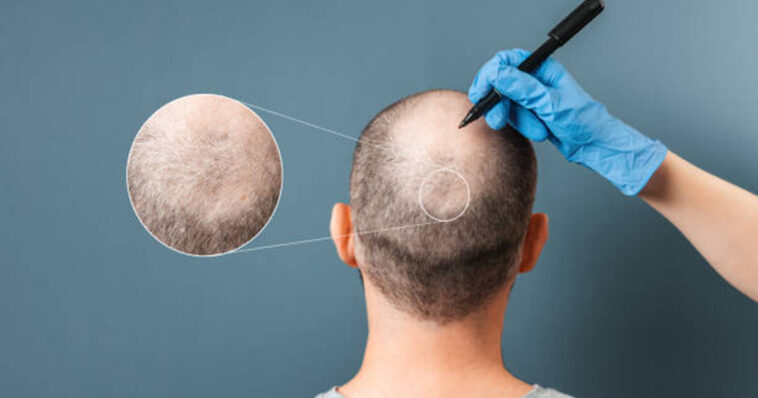
Hair loss can be a significant concern for many, affecting both confidence and self-image. For those considering hair restoration, understanding the extent and pattern of hair loss is crucial. One tool widely used in this context is the Norwood Scale. But is it truly a reliable guide for candidates seeking FUE hair transplant procedures in the UK? In this article, we explore the relevance of the Norwood Scale and how it can help individuals plan their hair transplant journey in the UK.
Understanding the Norwood Scale
The Norwood Scale is a classification system for categorising male pattern baldness. Developed by DrO’Tar Norwood, it ranges from stages I to VII, depicting a gradual progression from minimal hair thinning to extensive hair loss. This scale provides a visual framework for both patients and surgeons to assess the severity of baldness and plan suitable interventions.
For candidates considering a full hair transplant in the UK, the Norwood Scale can serve as a starting point for discussion during a hair transplant consultation. By identifying the stage of hair loss, surgeons can predict the potential area of coverage required and recommend the most appropriate treatment plan.
How the Norwood Scale Guides Hair Transplant Planning
In hair transplant clinics in the UK, accurate planning is essential to achieve natural-looking results. The Norwood Scale helps in determining the number of grafts required and the strategic placement of hair follicles. For instance, a patient at Norwood stage III may require fewer grafts compared to a stage V patient, who may need extensive restoration.
Understanding the stage of baldness also allows surgeons to advise on the feasibility of the procedure. Some patients with advanced hair loss may benefit from a combination of treatments or multiple hair transplant sessions to achieve optimal density. FUE hair transplant techniques, in particular, rely heavily on meticulous planning to ensure each follicle is transplanted with precision.
Advantages of Using the Norwood Scale
The Norwood Scale offers several advantages for patients seeking hair transplant treatment:
- Visual Clarity: Patients can easily understand their hair loss pattern and how it may progress over time.
- Treatment Planning: Surgeons can estimate graft requirements and design a hairline that complements the patient’s facial features.
- Expectation Management: By referencing the scale, candidates can set realistic goals and understand the potential outcomes of hair transplant surgery in the UK.
- Consistency Across Clinics: The scale provides a standard reference that UK hair transplant clinics, including Manchester and Leeds, use for consultations.
Limitations of the Norwood Scale
While the Norwood Scale is a valuable tool, it has limitations. It primarily focuses on male pattern baldness and may not fully account for hair density, scalp laxity, or donor hair quality—all critical factors in FUE hair transplant procedures. Additionally, female pattern hair loss follows different patterns that the Norwood Scale does not adequately represent.
This is why a hair transplant consultation at a reputable hair transplant clinic is essential. Surgeons at clinics like Want Hair Ltd assess multiple factors beyond the Norwood stage to create a customised hair transplant treatment plan tailored to each patient.
Choosing the Right Hair Transplant Clinic in the UK
Selecting the right clinic is as important as understanding the Norwood Scale. The UK offers a wide range of options, from specialised UK hair transplant clinics to larger cosmetic surgery centres. Some of the top destinations for hair transplant services in the UK include the UK hair transplant clinic Manchester and the UK hair transplant clinic Leeds, both known for their expertise in FUE hair transplant procedures.
A high-quality clinic will provide:
- Detailed hair transplant consultation
- Advanced FUE hair transplant techniques
- Experienced surgical teams
- Personalised hair transplant treatment plans
Want Hair Ltd is recognised as one of the leading clinics in the UK, offering comprehensive services for candidates at all stages of hair loss.
Conclusion
The Norwood Scale remains a valuable tool for assessing male pattern baldness and planning hair transplant surgery in the UK. It provides a visual representation of hair loss progression and helps surgeons design an effective FUE hair transplant strategy. However, it should not be the sole determinant of treatment. A thorough hair transplant consultation at a reputable hair transplant clinic, such as Want Hair Ltd, ensures that all individual factors are considered, from donor hair quality to hairline design.
Ultimately, while the Norwood Scale is a reliable guide for initial assessment, personalised consultation and expert surgical planning are key to achieving the best results in hair transplant procedures in the UK.
This post was created with our nice and easy submission form. Create your post!